
Caribbean movements: from migration to dance

Crossing borders
Mobility and movement have always been integral to human life. People cross national borders for various reasons, both by choice and out of necessity. Migration has been pivotal to Caribbean history, often framed in the context of emigration to the United States, Canada, and Europe, with sizeable diasporas in these regions. However, movement to and within the Caribbean is an equally important part of this story.
Caribbean migration to Europe: from Windrush to BUMIDOM
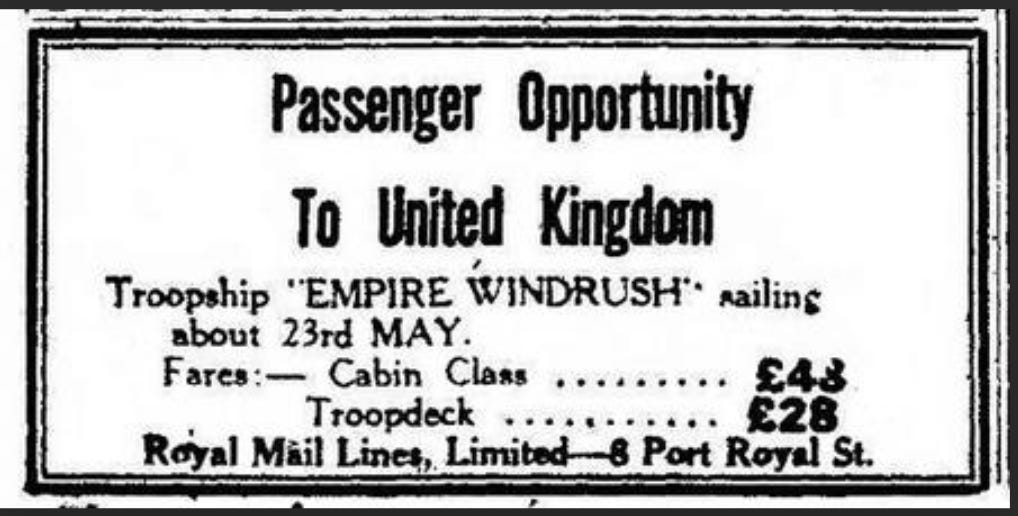
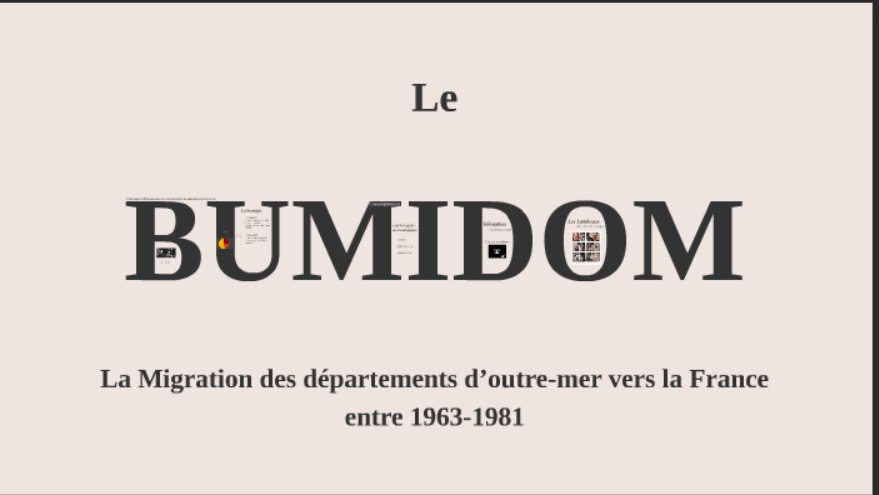
In the twentieth century, migration from the Caribbean to Europe was largely driven by labour needs, intricately linked to European colonial histories. This article focuses on post-World War II Caribbean migration, particularly as the UK celebrated Windrush Day on Saturday 22 June 2024.
From 1948 to 1970, nearly half a million people moved from the Caribbean to Britain. This generation of Caribbean migrants now known as the Windrush Generation, played a pivotal role in helping the UK recover and rebuild after World War II. For more information, watch The National Archives UK video Remembering Windrush
Outside the French-speaking world, little is known about the waves of post-war migration to France. After World War II, France initially encouraged immigration from Italy, Spain, and Portugal before turning to its former Caribbean colonies. From 1963 to 1981, 160,000 men and women from the French West Indies—Guadeloupe, Martinique, French Guiana, and Réunion—were recruited, trained, and sent to mainland France to work in construction, health services and administration through the BUMIDOM (Bureau for the Development of Migration in the Overseas Departments). This bureau acted as a labour recruitment agency, financing transportation, recruitment, and housing for workers from France’s former Caribbean colonies.
Celebrating Windrush Day through dance
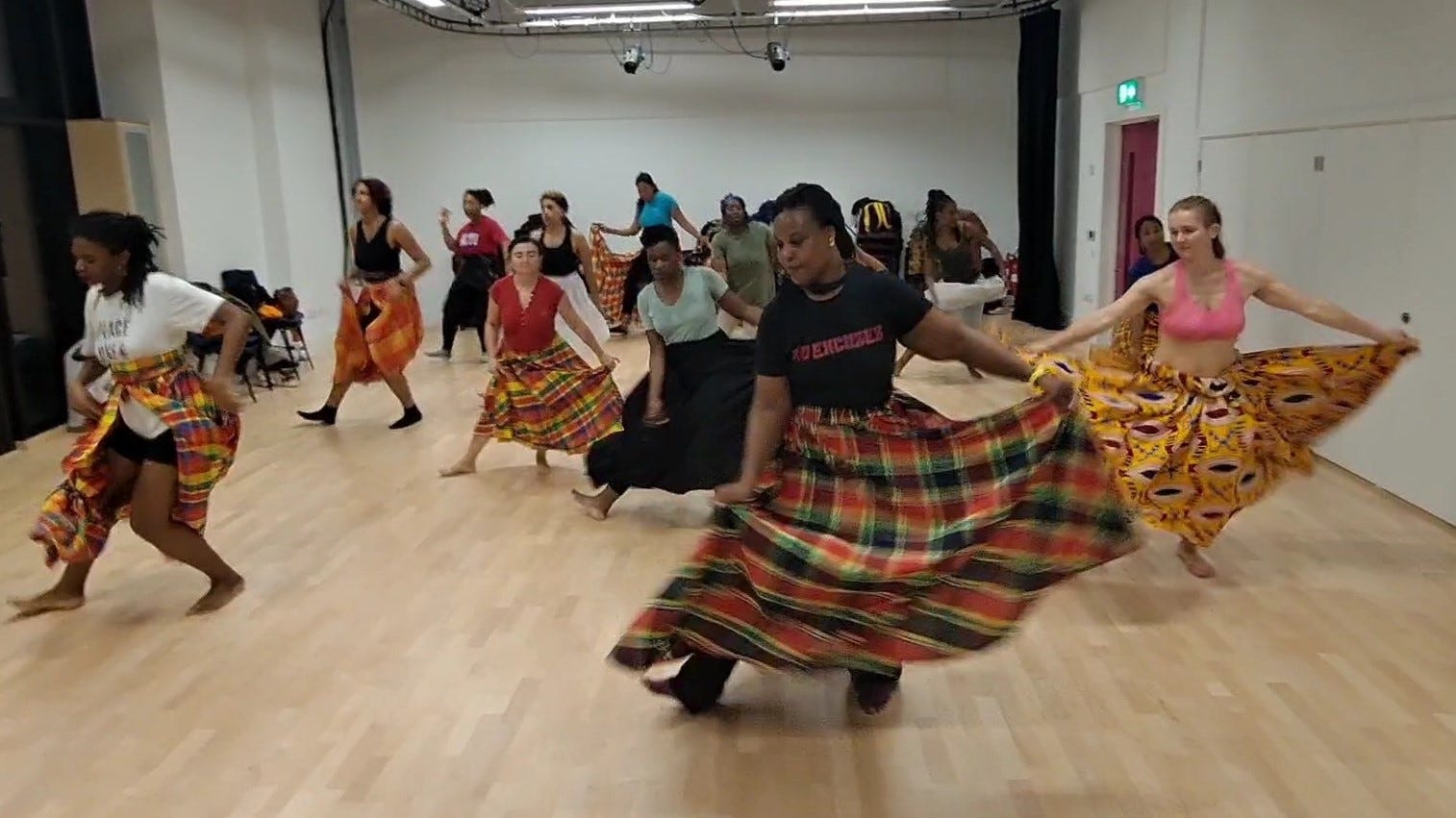
The Caribbean is renowned for its pulsating rhythms. Music flows through its people and finds expression in dance. Caribbean dances encompass various styles, each with unique rhythms and movements. They are more than just movements to music; they are a vibrant representation of the countries' history, struggles, and triumphs. Each step and rhythm tells a story, celebrating the resilience and strength of the Caribbean spirit. Through these dances, the rich cultural legacy of the Caribbean is kept alive, evolving, and embraced by people worldwide.
To celebrate Windrush Day, we collaborated with Ziloka, a UK-based French Caribbean Association, to host a Gwoka dance class followed by Caribbean Afternoon Tea.
Gwoka is an energising traditional music and dance from the Caribbean island of Guadeloupe. Originating during the enslavement period, it served as a means of communication and expression for enslaved Africans. Despite language barriers, they shared a common bond through music. Many elements of traditional African dance can be seen in Gwoka, fusing history and culture. Gwoka dance in action .
According to Study.com, "Caribbean dance evolved from complex influences, including slavery and colonialism. Enslaved Africans brought customs and drumming traditions with them. Using available materials, they crafted instruments and kept elements of their cultures alive." While some of these dances have evolved or blended with elements of other cultures, their distinct and fundamental "Africanness" remains evident today.
About Ziloka
Ziloka, founded in 2008, aims to represent the French Caribbean diaspora in the UK by promoting the culture and diversity of traditional rhythms, singing, and dances, including Gwoka from Guadeloupe and Bele from Martinique, as well as other art forms such as storytelling. To contact them for more information; zilokainfo@gmail.com IG: @ziloka_official or on Facebook .
Interesting and informative. Well done
Thank you. Glad to hear you found the article interesting and informative.